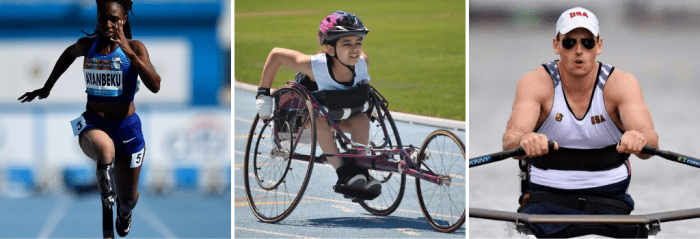
Adaptive team sports inclusion highlights the essential role of creating opportunities for individuals with disabilities to engage in sports alongside their peers. This movement not only breaks down barriers but also fosters a strong sense of community, encouraging social interactions that can lead to lasting friendships. As we delve into this topic, we’ll explore the myriad benefits that participation in adaptive sports brings, from enhanced physical health to improvements in mental well-being.
The significance of inclusivity in team sports cannot be overstated; it empowers athletes and promotes a culture of acceptance and support. By examining the legal frameworks that protect these rights, diverse categories of adaptive sports, and the adaptations required for various activities, we aim to illuminate the path towards a more inclusive sporting environment for everyone.
The Importance of Adaptive Team Sports Inclusion
Inclusion in team sports for individuals with disabilities is not just a matter of fairness; it represents a significant stride towards equality and acceptance within society. Adaptive team sports facilitate opportunities for individuals to engage actively in physical activities, promoting a sense of belonging and community. By breaking down barriers, these sports empower athletes and provide them with a platform to showcase their abilities and talents.Adaptive team sports uniquely foster community and social interaction, which are essential components of a healthy lifestyle.
These sports create an environment where individuals can connect, share experiences, and build meaningful relationships. In this inclusive setting, athletes can develop teamwork, communication skills, and friendships that extend beyond the field. Participation in adaptive sports has also been proven to enhance social skills and foster a sense of belonging among participants.
Benefits of Participation in Adaptive Sports on Physical and Mental Health
Engagement in adaptive sports offers numerous benefits that significantly impact both physical and mental health. The following highlights illustrate how participation in these activities contributes positively to overall well-being:
- Improved Physical Fitness: Adaptive sports encourage physical activity, leading to better cardiovascular health, increased strength, and enhanced mobility. Regular participation can help reduce the risk of chronic illnesses such as obesity and diabetes.
- Enhanced Mental Health: Physical activity is known to increase the production of endorphins, which can alleviate symptoms of anxiety and depression. Participating in adaptive sports helps individuals build self-esteem and confidence by providing opportunities for achievement.
- Social Interaction: Group sports activities promote socialization, helping individuals develop friendships and support networks, which are crucial for mental well-being.
- Skill Development: Adaptive sports provide a platform for individuals to learn new skills and improve existing ones, thereby enhancing their independence and personal growth.
- Community Building: Adaptive sports often involve diverse groups, fostering an inclusive environment where individuals learn to appreciate differences and work together towards common goals.
The holistic benefits derived from adaptive team sports underscore the importance of inclusivity, as they not only enhance physical abilities but also nurture mental resilience and foster community connections.
Legal Framework and Issues Surrounding Adaptive Sports
The landscape of adaptive sports is increasingly being shaped by various legal frameworks aimed at ensuring the rights of individuals with disabilities are protected. Understanding these laws is crucial for fostering an inclusive environment in sports, allowing individuals to participate fully and fairly. Each region may have its own regulations, which can significantly impact how adaptive sports organizations operate.The Americans with Disabilities Act (ADA) is one of the key pieces of legislation that protects the rights of individuals in adaptive sports in the United States.
This law prohibits discrimination based on disability in various areas, including public accommodations, transportation, and recreation. It mandates that facilities must be accessible and that reasonable modifications must be made to ensure participation.
Comparative Regulations and Policies
Different regions around the world have unique regulations and policies governing adaptive sports, reflecting varying cultural attitudes towards disabilities and inclusion. Understanding these differences is essential for organizations operating in multiple jurisdictions.
United States
The ADA is a cornerstone of adaptive sports law, ensuring accessibility in facilities and events. Organizations must comply with its standards to promote participation by individuals with disabilities.
European Union
The EU has several directives that protect the rights of individuals with disabilities, including the Convention on the Rights of Persons with Disabilities (CRPD). Member states implement their own laws, resulting in varying degrees of accessibility.
Australia
The Disability Discrimination Act (DDA) serves a similar purpose to the ADA, promoting equal participation in sports for individuals with disabilities. Compliance is monitored, and organizations can face legal repercussions for non-compliance.
Canada
The Accessible Canada Act aims to make Canada barrier-free by 2040. This includes measures to ensure that adaptive sports organizations provide equitable access to facilities and programs.
Case Studies of Legal Challenges
Legal challenges faced by adaptive sports organizations can highlight the complexities of navigating the regulatory landscape. These case studies provide insight into the hurdles that must be overcome to ensure compliance and inclusion.
Case Study Example 1
In a landmark case in the United States, a local sports league faced litigation when it failed to provide accessible facilities for adaptive athletes. The ruling emphasized the necessity of adhering to ADA standards, leading to significant changes in how the league operated.
Case Study Example 2
A European adaptive sports organization faced challenges when attempting to host an event that lacked adequate accommodations for athletes with disabilities. Legal intervention highlighted the need for compliance with EU directives, ultimately leading to a reform of the event’s planning processes.
Case Study Example 3
In Australia, a notable challenge arose when a team was denied access to a public facility due to perceived safety concerns. The case was brought to the attention of the courts, which ruled in favor of the athletes, reinforcing the importance of inclusivity in sports.These case studies underscore the necessity for adaptive sports organizations to be well-informed about legal obligations and proactive in implementing inclusive practices.
Diverse Categories of Adaptive Sports
Adaptive sports encompass a wide range of activities designed to promote inclusivity and physical engagement for individuals with disabilities. These sports not only provide opportunities for competition but also foster personal development, social interaction, and a sense of belonging. Understanding the diverse categories of adaptive sports can help highlight the various ways in which individuals can participate and excel in physical activities.The landscape of adaptive sports is rich and varied, with options that cater to different interests, abilities, and environments.
From martial arts to motorsports and team sports, each category presents unique opportunities and adaptations. Below is a list of various adaptive sports that illustrate this diversity.
Categories of Adaptive Sports
The following categories of adaptive sports showcase the range of activities available to athletes with disabilities:
- Team Sports: Basketball, Soccer, Rugby, and Baseball
- Individual Sports: Track and Field, Swimming, and Cycling
- Martial Arts: Judo, Taekwondo, and Karate
- Motorsports: Adaptive Racing, Karting, and Off-Road Racing
- Water Sports: Adaptive Rowing, Kayaking, and Surfing
- Winter Sports: Adaptive Skiing, Snowboarding, and Sled Hockey
- Equestrian Sports: Para-Equestrian Dressage and Driving
Understanding accessibility in adaptive sports is crucial for ensuring that all individuals can participate. The following comparison chart Artikels how different types of adaptive sports vary in terms of accessibility to participants.
Adaptive Sports Accessibility Comparison
Accessibility in adaptive sports can differ significantly based on the nature of the activity. The following table illustrates the accessibility of various adaptive sports across different categories:
| Sport Category | Accessibility Level | Adaptations Required |
|---|---|---|
| Water Sports | Moderate | Accessible boats, adaptive life vests |
| Strength Sports | High | Modified equipment, assistance from trainers |
| Team Sports | Variable | Specialized wheelchairs, adapted playing fields |
| Winter Sports | Moderate | Adaptive skis, sit-skis, specially designed sleds |
| Martial Arts | High | Adaptive techniques, modified sparring equipment |
Each sport may require unique adaptations to ensure safety and effective participation. For instance, track and field events often necessitate the use of racing chairs for wheelchair athletes, while equestrian sports may involve specially designed saddles that provide additional support for riders with mobility challenges. Winter sports, on the other hand, frequently utilize sit-skis and adaptive sleds that enable individuals with various disabilities to enjoy skiing and sledding.
Unique Adaptations for Various Sports
The adaptations required for different adaptive sports are essential for ensuring that all athletes can compete effectively and safely. Here’s a closer look at some specific sports and their adaptations:
- Track and Field: Athletes may use racing wheelchairs for speed events or specialized running blades for those with lower limb differences.
- Equestrian: Therapeutic riding programs often employ side-walkers and specialized tack to provide stability and support for riders.
- Winter Sports: Techniques such as sit-skiing allow athletes with limited mobility to navigate snow-covered terrains, while adaptive snowboards are designed for individuals with various disabilities.
Through these diverse categories and their corresponding adaptations, adaptive sports create meaningful avenues for all individuals to engage in physical activity, promoting health, competition, and community.
Final Wrap-Up
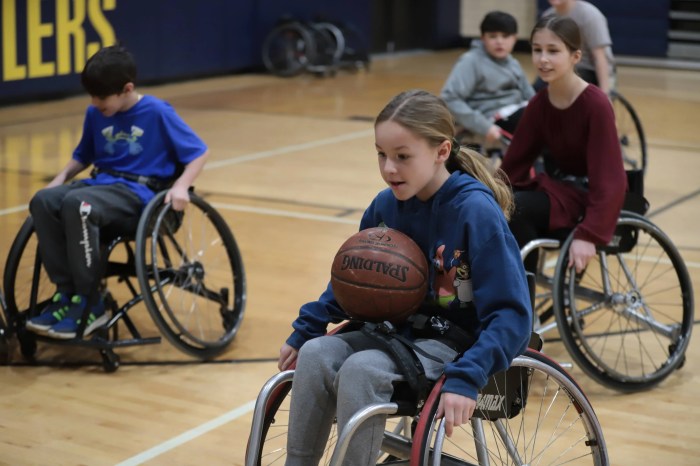
In conclusion, adaptive team sports inclusion is not just about participation; it’s about building a society where everyone can thrive together. The benefits extend beyond the field, enhancing individual lives while uniting communities. As we continue to advocate for inclusive sports practices, we hope to inspire more organizations and individuals to embrace the power of sport as a tool for change and connection.
Key Questions Answered
What are adaptive team sports?
Adaptive team sports are competitive or recreational sports designed to accommodate athletes with disabilities, allowing them to participate alongside or against able-bodied peers.
How do adaptive sports differ from traditional sports?
Adaptive sports often include modifications in rules, equipment, and playing conditions to ensure accessibility and enhance the experience for individuals with disabilities.
What are some examples of adaptive team sports?
Examples include wheelchair basketball, sitting volleyball, and goalball, among others that cater to various types of disabilities.
How can individuals get involved in adaptive sports?
Individuals can start by reaching out to local adaptive sports organizations or community centers that offer programs tailored for people with disabilities.
What are the mental health benefits of participating in adaptive sports?
Participation in adaptive sports can lead to improved self-esteem, reduced anxiety and depression, and enhanced social connections, contributing to overall mental wellness.


