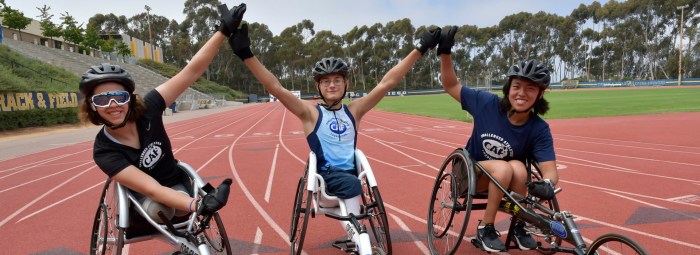
Adaptive team sports programs are transforming the landscape of sports by ensuring that individuals of all abilities can participate and thrive. These programs not only promote physical fitness but also foster a sense of belonging and community among participants. By creating opportunities for athletes with disabilities, adaptive sports programs are paving the way for inclusivity and empowerment in the sporting world.
From wheelchair basketball to adaptive swimming, there are various types of sports teams designed to cater to different abilities. Community support plays a crucial role in the success of these programs, as it helps raise awareness, funds, and resources necessary for their growth. With a solid foundation of legal protections and a commitment to accessibility, adaptive team sports are proving to be a vital component of a more inclusive society.
Introduction to Adaptive Team Sports Programs

Adaptive team sports programs are designed to enable individuals with various disabilities to participate in sports alongside their peers. The importance of these programs lies in promoting inclusivity, fostering a sense of belonging, and providing opportunities for physical activity, social interaction, and personal growth. They empower athletes, enhance their self-esteem, and challenge societal perceptions of disabilities.There is a wide range of adaptive sports teams available, catering to different needs and abilities.
These programs can include wheelchair basketball, adaptive soccer, blind soccer, sled hockey, and many more. Each sport is tailored to ensure that athletes can engage fully while receiving the necessary support and equipment. Adaptive sports not only accommodate physical limitations but also promote teamwork, competitive spirit, and athletic skills, helping participants to thrive in a supportive environment.
Types of Adaptive Sports Teams
The diversity of adaptive sports teams reflects the varied abilities and interests of participants. By providing numerous options, these programs allow individuals to find a sport that resonates with them. Here are some notable examples of adaptive sports teams:
- Wheelchair Basketball: A fast-paced game that allows players with mobility impairments to engage in competitive basketball using specially designed wheelchairs.
- Adaptive Soccer: This includes variations like blind soccer, which uses auditory cues for visually impaired players, enabling them to coordinate and compete effectively.
- Sled Hockey: A winter sport designed for athletes with lower limb disabilities, using sleds that allow players to skate and stickhandle on ice.
- Para-Athletics: Track and field events that have been modified for athletes with various disabilities, including wheelchair races and throwing events.
Community support plays a vital role in the success and growth of adaptive sports programs. Engaging local businesses, recreational centers, and volunteers can help provide resources, funding, and awareness to promote these initiatives. Community involvement fosters a culture of inclusivity and acceptance, allowing individuals with disabilities to showcase their talents and compete at various levels. Moreover, local events and fundraisers not only enhance visibility but also encourage public participation, creating an environment that celebrates diversity in sports.
“Adaptive sports empower individuals with disabilities to challenge their limits, fostering resilience and community connection.”
Legal Considerations and Issues in Adaptive Sports
Legal considerations play a vital role in ensuring the rights and protections of athletes participating in adaptive sports. This segment discusses the relevant laws, accessibility issues in sports facilities, and the implications of discrimination that adaptive athletes may face.
Laws Protecting Rights of Athletes in Adaptive Sports
Various laws safeguard the rights of athletes engaged in adaptive sports. The Americans with Disabilities Act (ADA) is a key piece of legislation that prohibits discrimination based on disability in all public and private spaces, including sports facilities. This law mandates that venues must be accessible to all individuals, ensuring adaptive athletes can participate fully. Additionally, Section 504 of the Rehabilitation Act of 1973 protects individuals with disabilities from discrimination in programs and activities receiving federal financial assistance, extending to sports programs as well.
Furthermore, the Individuals with Disabilities Education Act (IDEA) ensures that students with disabilities have access to a free and appropriate public education, which can include adaptive sports as part of their educational experience.
Accessibility Issues in Sports Facilities
Accessibility in sports facilities is critical for the inclusion of adaptive teams. Many existing facilities may lack necessary modifications to accommodate athletes with disabilities. Essential features such as ramps, accessible restrooms, and appropriate seating are often inadequate or missing.
- Ramps and Elevators: Essential for athletes who use wheelchairs to access various levels of a sports facility.
- Accessible Restrooms: Facilities must include restrooms that can accommodate wheelchairs and have necessary support bars.
- Seating Arrangements: Seating should be flexible and designed to ensure that those using mobility devices are not isolated from the action.
Improving accessibility not only enhances the experience for adaptive athletes but also promotes their participation in sports, fostering a sense of community and inclusion.
Discrimination in Adaptive Sports
Discrimination remains a significant issue within adaptive sports, often manifesting in limited opportunities and biased perceptions of athletes with disabilities. This can lead to a lack of funding, inadequate training resources, and fewer competition opportunities for these athletes compared to their able-bodied counterparts.
“Combating discrimination requires proactive efforts, including advocacy for policy changes and the promotion of inclusion and awareness within sports organizations.”
Organizations must implement educational programs on the rights of adaptive athletes and actively work to dismantle stereotypes. Promoting visible role models in adaptive sports can also inspire and empower both athletes and the community at large.
Different Categories of Sports within Adaptive Programs
Adaptive sports encompass a wide range of activities that are modified to ensure participation by individuals with disabilities. These programs create an inclusive environment where athletes can engage in sports, whether individually or as part of a team. Each category of adaptive sport has unique characteristics and adaptations that cater to the varying needs of participants.Adaptive sports can be broadly categorized into team sports and individual sports.
Team sports often emphasize collaboration and strategy, while individual sports highlight personal skill and performance. Both categories utilize specific adaptations that enable athletes to compete effectively.
Overview of Adaptive Sports Categories
Understanding the diversity within adaptive sports can help athletes and organizers identify suitable options for participation. The following table lists various adaptive sports, providing insights into their characteristics and adaptations.
| Adaptive Sport | Description |
|---|---|
| Martial Arts | Includes modified forms of disciplines like karate and judo, focusing on skill development, self-defense, and physical conditioning. |
| Motorsports | Features racing competitions adapted for individuals with disabilities, using specialized vehicles that accommodate various physical challenges. |
| Water Sports | Includes kayaking, sailing, and swimming, with adaptations such as specialized equipment to ensure safety and facilitate participation. |
| Adaptive Rowing | Involves crew teams using modified boats and equipment to enable athletes with disabilities to participate in competitive rowing. |
| Adaptive Cycling | Utilizes three-wheeled bikes, hand cycles, and tandem cycles to accommodate athletes with various disabilities, promoting physical fitness and recreation. |
Adaptive versions of sports are characterized by modifications that allow for inclusive participation. Key adaptations include:
Equipment Modifications
Changes to sports gear, such as lighter materials, custom seating, or specialized grips, enhance usability for athletes with disabilities.
Rules Adjustments
Modifications to the standard rules of a sport can help accommodate the abilities of athletes. For example, in wheelchair basketball, players may use wheelchairs but still adhere to the core objectives of the game.
Classifications
Athletes are often classified based on their disabilities to ensure fairness in competition. This allows athletes with similar abilities to compete against one another.Examples of adaptations can be seen in sports like tennis and cycling. In adaptive tennis, the rules allow for the ball to bounce twice before being returned, giving players with mobility impairments additional time to react.
In cycling, tandem bikes enable visually impaired cyclists to ride with a sighted pilot, fostering teamwork and enhancing the competitive experience.Adaptive sports not only promote physical activity but also encourage social interaction, teamwork, and personal growth among participants. The continuing evolution of these sports reflects a commitment to inclusivity and the empowerment of all athletes.
Closure
In summary, adaptive team sports programs are not just about competition; they are about creating a unified space where everyone can come together and enjoy the benefits of sports. As these programs continue to evolve, they embody the spirit of resilience and determination. By breaking down barriers and promoting inclusivity, we can look forward to a future where all athletes, regardless of their abilities, can participate and succeed in sports.
Expert Answers
What are adaptive team sports programs?
Adaptive team sports programs are initiatives designed to enable individuals with disabilities to participate in organized sports, promoting inclusivity and empowerment.
How can I get involved in an adaptive sports program?
You can get involved by reaching out to local organizations, volunteering, or participating in events that support adaptive sports.
Are there age restrictions for adaptive sports programs?
Most adaptive sports programs cater to various age groups, from children to adults, and often have specific teams for different age ranges.
What types of sports are included in adaptive sports programs?
Adaptive sports programs include a wide range of sports such as basketball, soccer, swimming, cycling, and more, often adapted to meet the needs of athletes with disabilities.
What resources are available for athletes in adaptive sports?
Resources include training facilities, coaching staff familiar with adaptive needs, funding opportunities, and community support networks.


