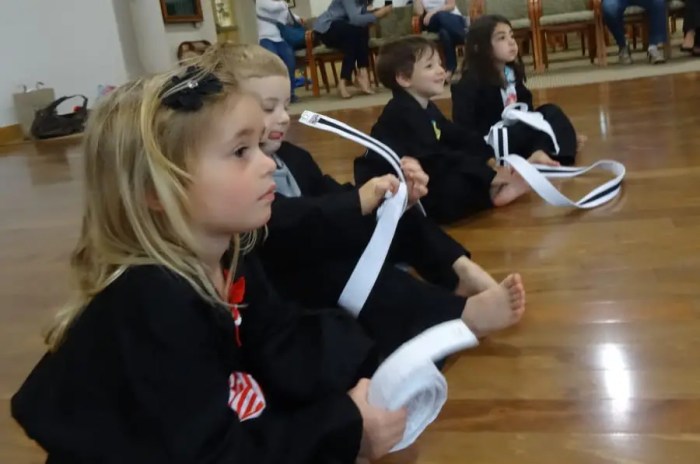
Self-discipline through martial arts not only shapes warriors but also molds character and resilience in everyday life. As practitioners engage in rigorous training, they discover the profound mental and physical benefits that come from dedication and focus. This journey of self-improvement extends beyond the dojo, influencing personal lives, academic pursuits, and even other sports.
The process of cultivating self-discipline in martial arts involves consistent practice, overcoming challenges, and striving for mastery. Each lesson learned on the mat can translate into valuable life skills, making martial arts a vital tool for personal growth.
The Importance of Self-Discipline in Martial Arts

Self-discipline is a cornerstone of martial arts training, serving as a vital component that influences not only physical performance but also mental and emotional growth. Through rigorous practice and consistent training, martial artists cultivate self-discipline, which plays a pivotal role in their overall development. The journey of mastering martial arts heavily relies on the ability to commit to one’s goals and overcome obstacles with determination and focus.Self-discipline in martial arts is honed through repetitive practice, adherence to training schedules, and the strict following of techniques and forms.
Each training session requires practitioners to push beyond their comfort zones, fostering a mindset that values persistence and resilience. This ongoing commitment shapes their character, teaches them responsibility, and instills a sense of accountability in their actions. As a result, martial artists learn to manage their impulses, prioritize their training, and maintain focus on their long-term objectives.
Mental Benefits of Self-Discipline in Martial Arts Training
The mental benefits gained from self-discipline are profound and multifaceted, impacting various aspects of a practitioner’s life. A disciplined approach to martial arts training enhances cognitive functions, emotional regulation, and stress management. Below are key mental benefits derived from self-discipline:
- Improved Focus: Self-discipline nurtures the ability to concentrate during practice and daily life. This heightened focus is crucial for mastering techniques and executing them with precision.
- Enhanced Emotional Control: Training fosters a deeper understanding of one’s emotions, allowing martial artists to respond calmly in challenging situations, whether on or off the mat.
- Increased Confidence: Achieving training goals promotes self-confidence. As martial artists progress through ranks and earn belts, their belief in their abilities grows significantly.
- Stress Reduction: Regular training acts as an effective outlet for stress, helping practitioners manage anxiety through physical exertion and mental focus.
The cultivation of these mental benefits not only aids martial artists in their training but also equips them with life skills that extend beyond the dojo. These skills help in academic, professional, and personal pursuits, emphasizing the interconnectedness of self-discipline and overall well-being.
Role of Self-Discipline in Achieving Martial Arts Mastery
Self-discipline is indispensable for those aspiring to achieve mastery in martial arts. It serves as the driving force that propels practitioners through the various stages of their training journey. The path to mastery is characterized by continuous learning, adaptation, and improvement, all of which are underpinned by self-discipline. The following points illustrate how self-discipline influences mastery:
- Consistent Practice: Mastery requires relentless practice, and self-discipline ensures that martial artists remain committed to their training schedules, refining their skills day after day.
- Goal Setting and Achievement: Self-discipline aids in setting realistic and measurable goals, pushing practitioners to strive for advancement in rank and technique.
- Overcoming Challenges: The journey includes setbacks and failures. A disciplined mindset fosters resilience, enabling martial artists to face and overcome these hurdles.
- Integration of Knowledge: Mastery involves understanding complex techniques and concepts. Self-discipline facilitates the integration of this knowledge through diligent study and reflection.
In essence, the role of self-discipline in martial arts is crucial, as it shapes the practitioner’s journey towards excellence, enabling them to harness their potential and achieve their aspirations within the art.
Self-Discipline Techniques Applied Across Sports
Self-discipline is a cornerstone of success in sports, providing athletes with the mental and emotional fortitude to push through challenges and achieve their goals. Whether in team sports or individual disciplines, the strategies employed to cultivate self-discipline can vary significantly, yet they share common threads that bind the athletic experience together. Understanding these techniques enhances athletes’ commitment to their craft, ultimately leading to improved performance and personal growth.In team sports such as soccer or basketball, self-discipline manifests through structured practices and a commitment to teamwork.
Athletes must adhere to training schedules, respect coaches’ decisions, and maintain a high level of fitness. This often involves setting personal and collective goals, which fosters accountability. In contrast, strength sports like powerlifting or bodybuilding hinge more on personal discipline with a focus on nutrition, technique, and progressive overload in training. Athletes must consistently track their progress and adhere to rigorous routines to see results over time.
Self-Discipline Strategies in Various Sports
Different types of sports employ unique self-discipline strategies that cater to their specific demands. These practices are essential for maintaining focus and commitment within each discipline. In team sports, athletes often rely on strategies such as:
- Team Accountability: Regular meetings and team discussions help build a culture of responsibility, where each member is encouraged to hold each other accountable for their training and performance.
- Practice Routines: Structured training sessions, often scheduled months in advance, require athletes to commit to being present and engaged, fostering a sense of discipline.
- Goal Setting: Establishing both individual and team objectives encourages athletes to stay focused on their personal development as well as the team’s success.
For strength sports, self-discipline often involves:
- Nutrition Tracking: Athletes must maintain strict dietary regimens to support their training, which requires careful planning and commitment.
- Progress Monitoring: Documenting lifts and workouts ensures that athletes remain disciplined in their training and can see tangible results over time.
- Mindset Training: Utilizing visualization techniques and mental rehearsal helps athletes prepare psychologically for their lifts, enhancing focus during competitions.
Comparison of Self-Discipline Practices in Martial Arts, Motorsports, and Track and Field
While self-discipline is essential across all sports, it manifests differently in martial arts, motorsports, and track and field. Each discipline requires a unique approach to mental focus and consistent training.In martial arts, self-discipline is cultivated through:
- Repetitive Training: Practitioners engage in repetitive drills that enhance muscle memory, emphasizing the importance of persistence and commitment.
- Respect and Etiquette: Adherence to dojo etiquette and respect for instructors fosters a disciplined mindset that extends beyond physical training.
In motorsports, self-discipline focuses on:
- Precision Training: Drivers must practice intricate maneuvers repeatedly, requiring intense concentration and self-control.
- Timed Practice Sessions: The need to adhere to strict schedules for practice laps fosters discipline in time management and performance analysis.
Track and field athletes exhibit self-discipline through:
- Individual Training Plans: Athletes follow tailored training routines that require self-motivation and strict adherence to schedules.
- Event-Specific Focus: Focusing on specific events, such as sprints or long distance, requires tailored discipline, ensuring that athletes concentrate on the techniques relevant to their event.
In summary, while the methodologies of self-discipline differ across martial arts, motorsports, and track and field, the underlying principles of commitment, focus, and accountability remain constant. This shared understanding of self-discipline contributes to an athlete’s success, emphasizing the importance of mental toughness in achieving athletic excellence.
The Cross-Disciplinary Benefits of Martial Arts
Martial arts are often seen as a physical discipline, but the self-discipline cultivated through practice extends well beyond the training mat. This discipline influences various aspects of life, enhancing performance in other sports and personal endeavors. The lessons learned in martial arts not only shape athletes but also contribute to character development and resilience in everyday situations.The principles of self-discipline gained from martial arts can be applied effectively to personal life and various sports activities, showcasing how interconnected these domains are.
For instance, when an individual commits to a rigorous martial arts training schedule, they develop a sense of responsibility and time management that translates well into academic and professional environments. The focus required in martial arts practice fosters mental clarity, which is essential for success in both individual and team-based sports.
Self-Discipline in Water Sports and Winter Sports
Self-discipline is a core component in sports like swimming, surfing, skiing, and snowboarding, where mental and physical preparedness can make a significant difference in performance. Just as martial arts emphasize technique and precision, water sports demand similar dedication to mastering skills. The focus on breath control and body positioning in swimming parallels the stance and movement training in martial arts.
Likewise, maintaining composure and strategic thinking in winter sports is akin to the mental discipline required during martial arts sparring sessions. Individuals in these sports must consistently practice self-discipline to manage the demands of training, weather conditions, and personal challenges. For example, elite swimmers often adhere to strict training schedules, nutrition plans, and mental conditioning routines that reflect the rigorous self-discipline developed in martial arts.To illustrate the impact of self-discipline across different sports, here are some principles that are beneficial in diverse areas, including sport cycling and team sports:
- Goal Setting: Establishing clear, attainable goals helps maintain focus and motivation.
- Routine Development: Consistent training schedules foster discipline and ensure gradual progress.
- Mindfulness: Being present during practice aids in improving skills and adapting to challenges.
- Resilience: Overcoming setbacks enhances mental toughness, a trait vital in both martial arts and sports.
- Teamwork: Understanding the dynamics of working with others strengthens cooperation and communication abilities.
Incorporating these self-discipline principles into various sports can lead to enhanced performance, whether in individual pursuits or team-based activities. Athletes from multiple disciplines can benefit from the structured training and mental strategies employed in martial arts, ultimately improving their overall effectiveness and experience in sports.
Wrap-Up
In conclusion, self-discipline through martial arts serves as a powerful foundation for success both in and out of the training environment. The mental fortitude and commitment developed through martial arts practice are invaluable assets that can enhance performance across various domains, encouraging individuals to lead more disciplined and fulfilling lives.
Key Questions Answered
How does martial arts training improve self-discipline?
Martial arts training improves self-discipline by requiring consistent practice, setting goals, and fostering a mindset focused on perseverance and resilience.
Can self-discipline learned in martial arts help in other areas of life?
Yes, the self-discipline gained from martial arts can enhance performance in academics, professional endeavors, and personal relationships by promoting focus and commitment.
What are some common challenges faced in developing self-discipline in martial arts?
Common challenges include maintaining motivation, overcoming setbacks, and balancing training with other life commitments.
Is self-discipline equally important in other sports?
Absolutely, self-discipline is crucial in all sports as it drives athletes to train effectively, improve skills, and achieve competitive goals.
How can beginners develop self-discipline in martial arts?
Beginners can develop self-discipline by setting realistic goals, committing to regular training sessions, and reflecting on their progress over time.


