Squat form correction tips are essential for anyone looking to enhance their fitness journey. Proper squat technique not only maximizes performance but also significantly reduces the risk of injury. Whether you are a seasoned athlete or a beginner, understanding the nuances of squat form can lead to long-term benefits in strength and overall physical health.
In this guide, we’ll dive into the critical aspects of maintaining proper squat form, explore common mistakes to avoid, and provide you with practical tips to refine your technique. We’ll also discuss how squat form varies across different sports, ensuring you have a comprehensive understanding of this fundamental movement.
Importance of Proper Squat Form
Maintaining proper squat form during workouts is essential for maximizing performance and minimizing injury risk. Squats are a fundamental exercise that engages multiple muscle groups, and executing them correctly ensures that you reap the full benefits while keeping your body safe.Correct squat technique has long-term benefits that extend beyond just building strength. When squats are performed with proper form, they not only activate the intended muscle groups efficiently but also promote joint health and flexibility, contributing to overall functional fitness.
This can lead to better performance in various physical activities, enhancing athleticism and daily life movements.
Common Mistakes in Squat Form
Understanding the common pitfalls in squat form is crucial for anyone looking to improve their technique. Many individuals tend to overlook specific aspects of their posture and movement that can lead to significant issues. Here are some mistakes often made during squats and the consequences they can bring:
- Allowing the knees to cave in: This can cause undue stress on the knees and increase the risk of injury, particularly to ligaments.
- Leaning too far forward: This can place excessive strain on the lower back, leading to pain or injury over time.
- Lifting the heels off the ground: This compromises balance and stability, which can lead to falls or improper load distribution.
- Incomplete range of motion: Performing squats without going low enough prevents full muscle engagement and can hinder strength gains.
Each of these mistakes can have detrimental effects on both immediate performance and long-term health. For instance, the misalignment of the knees can lead to chronic issues such as patellar tendonitis, while leaning forward too much could result in severe lower back pain that sidelines your fitness journey. By being aware of these common errors and actively correcting them, you can enhance your squat technique and enjoy the many benefits that come from proper exercise form.
Key Tips for Correcting Squat Form
Achieving proper squat alignment is essential for maximizing performance and minimizing injury risk. By focusing on a few key techniques, you can enhance your squat form and get the most out of your workouts. Below, you’ll find a step-by-step guide for correcting squat form, methods for evaluating your technique, and exercises to improve your mobility and strength.
Step-by-Step Guide to Achieving Proper Squat Alignment
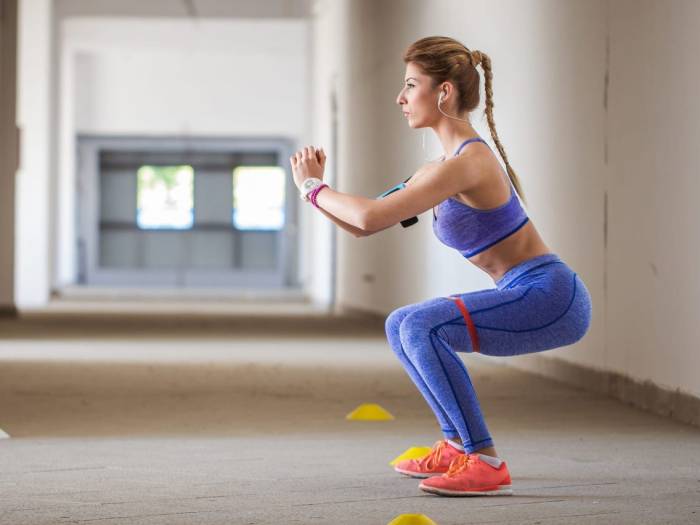
Proper squat alignment hinges on several factors, including foot placement, knee tracking, and spinal position. Here are the steps to follow for optimal form:
- Foot Position: Stand with your feet shoulder-width apart. Your toes should point slightly outward, at about a 15-30 degree angle.
- Bracing Your Core: Engage your core muscles to stabilize your spine. This will help maintain a neutral back position during the squat.
- Knees Over Toes: As you lower into the squat, ensure your knees track in line with your toes. They should not cave inward or extend excessively forward.
- Depth of Squat: Aim to lower your hips below your knees while keeping your back straight. A good guideline is to get your thighs parallel to the floor or lower if your mobility allows.
- Weight Distribution: Keep your weight balanced on your heels and midfoot, avoiding excessive forward lean. This posture helps maintain balance and stability.
- Finish Strong: Stand back up by pushing through your heels and extending your hips, ensuring your shoulders remain in line with your knees.
Methods for Evaluating Squat Form
Evaluating your squat form is critical for identifying areas of improvement. Here are some effective methods for self-assessment and using video analysis:
Regular self-assessment can prevent the development of bad habits and ensure consistent progress.
To perform a self-assessment, follow these steps:
- Mirror Check: Perform squats in front of a mirror to visually check your alignment, ensuring your knees track properly and your back remains straight.
- Partner Feedback: Have a friend or workout partner observe your squat, providing feedback on your form and any corrections needed.
- Video Analysis: Record your squats from different angles. Reviewing the footage can help you identify issues with your technique, such as depth or alignment.
Corrective Exercises for Improved Squatting
Incorporating corrective exercises into your routine can significantly enhance your squat performance. These exercises will target key areas such as mobility and strength:
Enhancing mobility and strength will lead to a more effective and safer squat.
Consider adding the following exercises to your workout plan:
- Hip Mobility Drills: Use dynamic stretches like leg swings and hip circles to improve hip flexibility before squatting.
- Bodyweight Squats: Practice bodyweight squats to reinforce proper form without the added weight. Focus on depth and alignment.
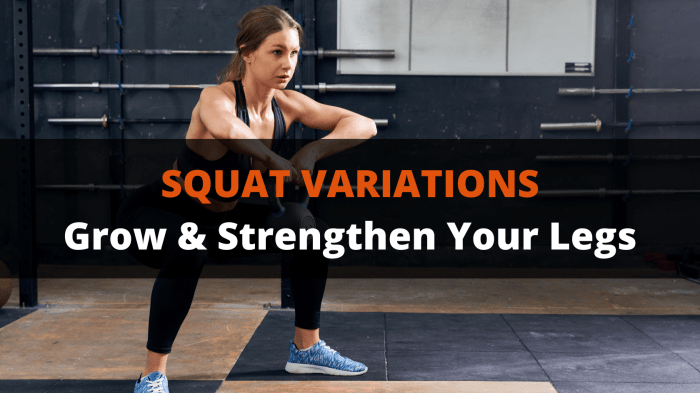
- Goblet Squats: Hold a kettlebell or dumbbell close to your chest. This exercise helps maintain an upright posture while improving your squat mechanics.
- Wall Squats: Stand a few feet away from a wall and practice squatting while trying to keep your chest upright and avoiding contact with the wall.
Squat Form in Different Sports
Proper squat form can significantly vary across different sports due to specific movement requirements and performance goals. Understanding these variations is crucial for athletes to optimize their training regimen and prevent injuries. By recognizing how squats are utilized in various disciplines, athletes can tailor their squat techniques to enhance their overall performance.
Strength Sports
In strength sports such as powerlifting and Olympic weightlifting, squat form is primarily focused on maximizing strength output. The squat is a core lift that is performed with specific techniques to handle heavy loads safely. Athletes typically adopt a wider stance which allows for better balance and more effective lifting mechanics. Key considerations include:
- Bar Position: In powerlifting, the barbell can be positioned either high on the traps or lower on the back, depending on the squat variant being performed.
- Knee Tracking: Knees should push outwards during the squat to maintain stability and prevent injury.
- Back Angle: A forward lean is often necessary to keep the center of gravity properly aligned over the feet during heavy lifts.
Consistency in squat form is essential for building strength and preventing injuries in strength sports.
Martial Arts
In martial arts, squats often play a role in developing explosive power, balance, and flexibility. While the basic form remains similar, slight modifications are made to cater to kicks and strikes. For martial artists, key squat techniques include:
- Stance Width: A narrower stance may be preferred to allow for quicker transitions into kicks or other movements.
- Depth: Full depth squats can enhance leg strength and flexibility, which is crucial for high kicks.
- Core Engagement: Maintaining a strong core during squats helps improve overall balance and stability during combat movements.
Effective squat form in martial arts can lead to enhanced kicking power and stability.
Track and Field
In track and field, squats serve to build explosive strength, which is essential for sprinting and jumping events. Proper squat technique can significantly enhance an athlete’s performance in these areas, emphasizing the following points:
- Speed and Power: Squats are often performed with lighter weights at higher speeds to mimic the explosiveness required in sprinting.
- Foot Position: Athletes may adopt a shoulder-width stance which allows for optimal power generation during the squat.
- Jump Squats: Incorporating jump squats can help in developing the fast-twitch muscle fibers used in explosive events.
In track and field, optimizing squat form is key to improving sprint times and jump heights.
Team Sports
For team sports like football and basketball, the squat is integral in developing lower body strength and agility. The squat technique here focuses on both power and functional movement:
- Functional Squats: Athletes may use variations like front squats or split squats to mimic game scenarios and improve overall athleticism.
- Athletic Stance: A wider stance can help with quick lateral movements and agility.
- Depth Variations: Partial squats may be practiced to enhance explosiveness for jumping and sprinting.
Proper squat form in team sports enhances performance through improved strength and agility.
Water Sports
Squat techniques in water sports, such as swimming and kayaking, focus on core strength and stability rather than weight. The emphasis is placed on lower body strength for effective propulsion and agility:
- Body Position: A more upright squat position may be adopted to facilitate balance while moving through water.
- Low-Impact Variations: Bodyweight squats are often preferred to reduce the risk of injury and maintain joint health.
- Dynamic Movements: Incorporating dynamic or plyometric squats can simulate movements in the water, enhancing performance.
In water sports, squats help develop the strength needed for powerful strokes and maneuvers.
Winter Sports
In winter sports like skiing and snowboarding, squats are crucial for building leg strength and stability to navigate slopes. The technique is tailored to suit the demands of these sports:
- Squat Depth: A deeper squat may be practiced to mimic the crouched position commonly used in skiing for balance.
- Balance Focus: Single-leg squats may be integrated to improve balance and coordination on uneven surfaces.
- Core and Leg Integration: Emphasizing core strength in squats enhances stability during high-speed turns and stops.
Proper squat form in winter sports ensures athletes can maintain control and agility on the slopes.
Concluding Remarks
In conclusion, mastering squat form is crucial for anyone looking to improve their fitness and athletic performance. By implementing the tips discussed and being mindful of your technique, you can prevent injuries and unlock your full potential. Remember, whether you’re training for a specific sport or aiming for personal fitness goals, proper squat form is a fundamental skill that pays off in the long run.
General Inquiries
Why is proper squat form important?
Proper squat form is crucial to prevent injuries and maximize the effectiveness of your workout.
How can I check my squat form?
You can evaluate your squat form through self-assessment in front of a mirror or by using video analysis.
What are common mistakes in squat form?
Common mistakes include allowing the knees to cave in, not keeping the back straight, and failing to go low enough.
How can I improve my squat mobility?
Incorporate stretching and mobility exercises focusing on hips, ankles, and lower back to enhance your squat range.
Can squat form differ by sport?
Yes, squat form can vary significantly between different sports due to specific performance requirements and movement patterns.


